How to Plan a Safari and Beach Holiday in Tanzania
Why Combine Wildlife and Coastline in One Trip
Tanzania offers rare geography where world-class game reserves sit within a short flight of tropical islands. A safari beach holiday Tanzania gives travelers the chance to watch lions hunt on the Serengeti plains and then snorkel in the warm Indian Ocean within the same week. The contrast between dusty savannah and turquoise water is sharp, and the logistics are simpler than many people assume. Understanding the rhythm of each leg helps you pack, budget, and schedule without stress.
Most visitors fly into Kilimanjaro or Arusha for the northern parks, then take a domestic flight to Zanzibar for the beach portion. Others start on the coast and head inland. Either direction works, though the prevailing recommendation is to tackle the safari first. The reason is practical: long game drives are tiring, and finishing with a few lazy days on the sand feels like a reward. Doing it the other way around can make the safari feel like a chore after days of doing nothing.
When to Go for the Best Balance
Tanzania has two distinct seasons that affect both wildlife viewing and beach comfort. The dry months from June to October concentrate animals around water sources, making game viewing more reliable. This period also coincides with cooler coastal weather and lower humidity on Zanzibar. The green season from November to May brings lush landscapes and fewer tourists, but some parks become muddy and animals are harder to spot.
For a safari beach holiday Tanzania, the dry season offers the most predictable conditions. The Great Migration in the Serengeti peaks between July and September, which is also the busiest time for lodges and flights. If you prefer quieter camps and lower rates, consider June or October. The beach weather stays pleasant year-round, though the long rains in April and May can bring overcast skies and rougher seas. A tailor-made safari operator can adjust the itinerary to fit the season, moving you to parks where game is abundant and to beaches where the water is calm.

Choosing the Right Parks and Beaches
The northern circuit includes Lake Manyara, Tarangire, Ngorongoro Crater, and the Serengeti. Each offers a different habitat and set of species. Manyara is known for tree-climbing lions and large elephant herds. Tarangire has baobab trees and huge concentrations of elephants during the dry season. Ngorongoro Crater is a collapsed volcano with a high density of predators and a guaranteed rhino sighting. The Serengeti is vast and requires several days to cover its key regions.
A fly-in safari from Zanzibar skips the long drive from Arusha. You fly directly to Serengeti airstrips, spend three or four days on game drives, and fly back to the coast. This saves two full days of driving and lets you see the northern parks without the overland transfer. It works especially well if your total trip is ten to fourteen days.
On the coast, Zanzibar offers a range of beaches. The east coast has long stretches of sand and strong tides that are good for swimming at high tide. The north coast is quieter and has shallow reefs suitable for snorkeling directly from the shore. The south coast is exposed to the open ocean and is better for surfing than swimming. Most combined itineraries base you on the northeast coast, where the water is calm and the resorts are within an hour of the airport.
Practical Logistics to Get Right
Domestic flights between the mainland and Zanzibar are short but can be delayed by weather. Book at least one buffer day between the safari and your international departure. If your flight from the Serengeti is delayed, you still have time to reach Zanzibar for your outbound flight. The same applies to luggage: pack a small carry-on with swimwear and a change of clothes for the beach, because checked bags sometimes miss the connection.
Visa requirements apply for most nationalities, and you can get a tourist visa online before arrival or at the airport. Yellow fever vaccination is recommended if you are coming from a country with risk, and malaria prophylaxis is essential for both the parks and the coast. The coastal areas have mosquitoes, especially during the rainy season. Bring long sleeves and repellent for the evenings.
What a Typical Itinerary Looks Like
A well-paced combined trip lasts between ten and fourteen days. A ten-day version might allocate four days to the safari and five days to the beach, with one travel day in between. The safari portion is usually split between two parks, such as Tarangire and the Serengeti, or Ngorongoro and the Serengeti. The beach portion can be spent in one resort or split between two areas to experience different coastlines.
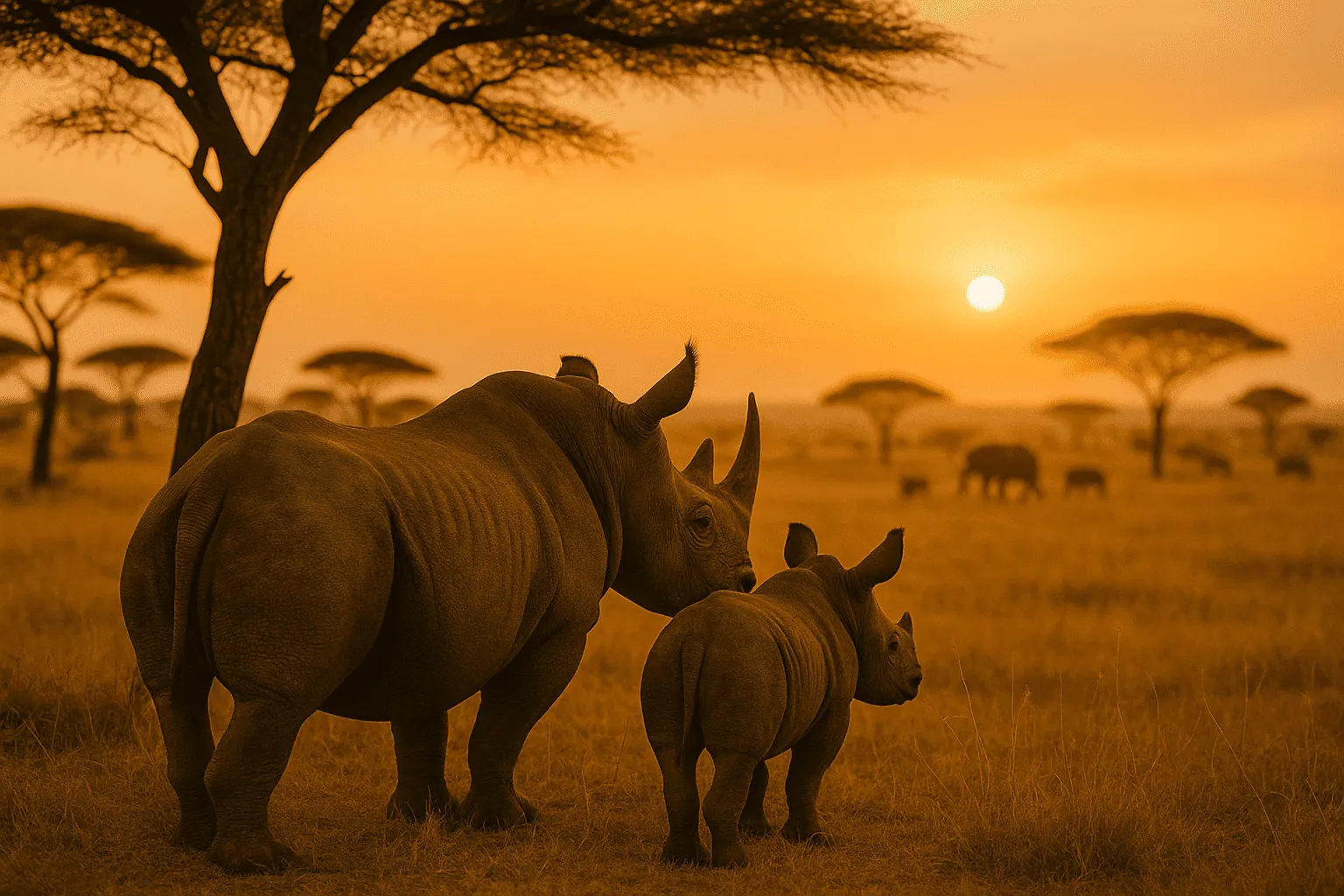
Golden Trips Tanzania creates tailor-made Tanzania safari tours from Zanzibar, including Serengeti fly-in safaris and combined wildlife and beach holidays. Their itineraries are built around what you want to see and how active you want to be. If you prefer a slower pace with more time on the beach, they can extend the coastal portion and reduce the game drives. If you are a keen photographer, they can add extra nights in the Serengeti and arrange private vehicles.
Accommodation ranges from basic tented camps to luxury lodges with private plunge pools. On the beach, you can choose from boutique hotels, all-inclusive resorts, or private villas. The key is matching the style to your budget and comfort level. The safari lodges are more expensive than the beach hotels for the same star rating, so budget accordingly.
What to Watch Out For
The main challenge of a combined trip is the travel day between the two legs. The transfer from the Serengeti to Zanzibar involves a light aircraft flight to Arusha or Kilimanjaro, a road transfer to the domestic terminal, and a final flight to Zanzibar. The whole process takes most of a day. Plan for that day as a travel day, not a sightseeing day. Some operators offer direct charter flights from the Serengeti to Zanzibar, which cuts the transfer time in half. Ask about this option when booking.
Another consideration is the weight of your luggage. Light aircraft on the safari leg have strict weight limits, usually around 15 kilograms per person for soft bags. Hard suitcases are difficult to stow. Pack light, use a duffel bag, and leave bulky items at the hotel in Zanzibar if you are doing a fly-in safari.
Health considerations should not be overlooked. The altitude in the Ngorongoro Crater is about 2,200 meters, and some travelers feel breathless on game drives. Stay hydrated and avoid alcohol at altitude. On the coast, the heat and humidity can be draining. Drink plenty of water and use reef-safe sunscreen for the ocean.
Making the Most of Both Worlds
The real value of a combined safari and beach trip is the contrast. You wake up to the sound of hyenas calling in the dark and fall asleep to the rhythm of waves. The wildlife experience gives you a raw connection to nature, and the beach portion gives you time to process it. Many travelers say the combination feels like two holidays in one, and the logistics, while requiring planning, are straightforward with a good operator.
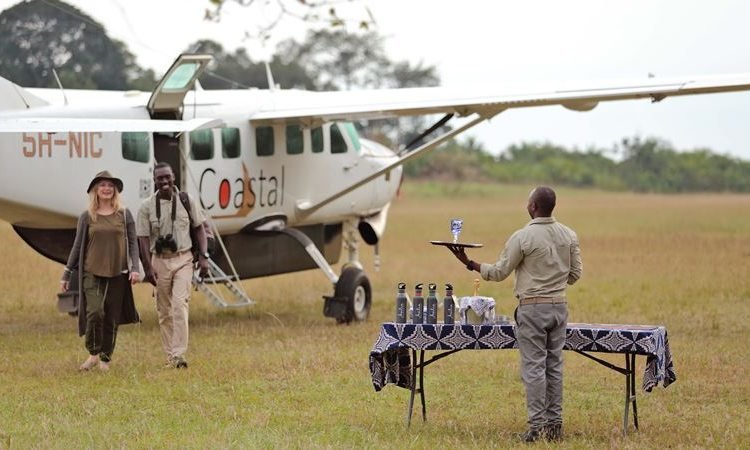
When you book, look for an operator that specializes in both components. A general travel agent might book a safari with one company and a beach resort with another, which can create coordination issues. A specialist who handles both legs ensures that transfers line up, that the safari guide knows your beach schedule, and that your luggage makes it onto the right plane. Golden Trips Tanzania is one such operator, and their focus on tailor-made itineraries means you can adjust every detail to your preferences.
Whether you have ten days or three weeks, a safari beach holiday Tanzania offers a rich, varied experience that stays with you long after you return home. The key is to respect the pace, pack smartly, and let the landscape dictate your schedule.